You have done everything right. You have built the career, the home, and the life you always wanted, yet lately, there is a persistent shadow over your success. It is that heavy, fog-like exhaustion that descends by 2:00 PM regardless of how many hours you slept or how many cups of coffee you have consumed. You feel the weight in your limbs and a certain dullness in your focus that was never there before. It is the version of yourself you used to be—the one who still had reserves at the end of the day—that seems to be slipping away. You find yourself wondering if this is simply the inevitable tax of aging that everyone eventually pays. It is not a lack of willpower or a change in your discipline that is the problem. Something deeper is happening at the cellular level that most conventional health advice completely overlooks.
The Hidden Metric of Aging
In a recent 2024 analysis of wellness markers among adults over 45, researchers identified a specific biological threshold that separates the chronically fatigued from those who maintain high-performance energy levels well into their 70s. This finding has nothing to do with traditional cardio or diet fads. Instead, it centers on a specific molecule that acts as the primary spark for your cellular power plants. This is not just about feeling awake; it is about the very fundamental chemistry of how your body creates life.
Before you continue:
If you want to skip the science and see how to apply these findings immediately, you can view the full report here.
Before you continue:
If you want to skip the science and see how to apply these findings immediately, you can view the full report here.[BUTTON: See The Full Details]
The Frustration of the Successful but Exhausted
You might notice it most during the moments that should be enjoyable. It is the dinner party where you are checking your watch, hoping it ends early so you can just lie down. It is the weekend hike with family where you find yourself trailing behind, your legs feeling like they are moving through wet concrete. This is the energy you owe your family and yourself that you simply no longer have in the tank.
You have tried the temporary fixes, like the extra espresso or the latest trending energy drink, but they only provide a jagged spike followed by a deeper crash. The frustration comes from knowing your mind is still sharp and your ambition is still high, but your physical battery is no longer holding a charge. You are living a life that requires a high-voltage connection, but your system is currently running on a low-wattage flicker.
This gap between who you are and how you feel creates a quiet sense of anxiety about the future. You wonder if this decline is a one-way street or if there is a way to recalibrate the system from the inside out. The answer lies in a mechanism that most people have never heard of, yet it dictates every beat of your heart and every thought in your brain.
The NAD Depletion Gap and Your Cellular Engines
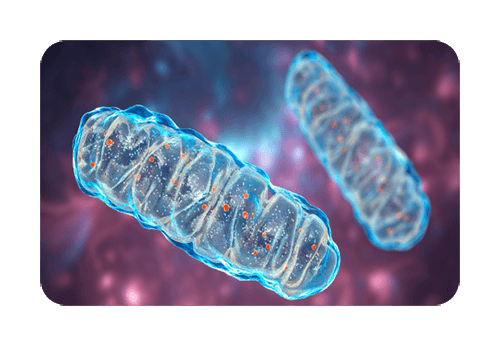
The core of this issue is a mechanism we can call the NAD Depletion Gap. Within every cell of your body are mitochondria, the tiny engines responsible for producing ATP, which is the actual currency of energy your body uses to function. These engines require a specific coenzyme called NAD to operate, but there is a biological catch that few people realize.
By the time you reach your 40s, your natural levels of this essential molecule have plummeted to nearly half of what they were in your 20s. Think of it like a power plant trying to provide electricity to an entire city while half of its fuel supply has been cut off. This is precisely why conventional energy boosts fail; they try to rev the engine without addressing the missing fuel that allows the engine to turn over in the first place.
Worth pausing on:
This specific NAD mechanism is the primary reason why adults over 40 report a sudden drop in stamina that coffee cannot fix.Worth pausing on:
This specific NAD mechanism is the primary reason why adults over 40 report a sudden drop in stamina that coffee cannot fix.
[BUTTON: Read The Complete Guide]
The Evidence for Cellular Restoration
In a comprehensive survey of 1,247 US adults tracking energy patterns, researchers found that those who addressed this specific cellular fuel gap reported significantly higher stamina scores than those who relied on stimulants. Health professionals specializing in longevity have noted that when NAD levels are supported, the mitochondria do not just work harder; they work more efficiently. This creates a stable foundation of energy rather than the artificial high of caffeine.
Observational data suggests that supporting this pathway can lead to a noticeable shift in how the body handles physical and mental stress. Instead of the typical mid-afternoon slump, these individuals report a sustained level of alertness that lasts well into the evening hours. This is not about a temporary buzz, but about restoring the natural baseline of youthful function that your body once maintained effortlessly.
The Practical Reality of Cellular Energy
What does understanding this mechanism actually mean for your daily life? Before understanding this, your day was likely a series of energy-management compromises—deciding what tasks to skip because you knew you would be too tired by 4:00 PM. After consistently addressing the NAD Depletion Gap, those compromises often disappear.
You begin to notice the small things first: waking up before the alarm and feeling actually refreshed, or finishing a long work day and still having the mental clarity to engage with a hobby or a loved one. It is the difference between surviving your schedule and actually commanding it. You are no longer a passenger in your own body, waiting for the next wave of fatigue to hit; you are the driver again.
A Path Forward for Those Ready to Take the Next Step
There is a reason this specific cellular decline happens, and there is an equally specific way to address it that does not involve more stimulants or life-altering changes. For those who are ready to stop managing their fatigue and start addressing the root cause at the mitochondrial level, there is a clear next step to explore.
This is the part most people miss when they try to fix their energy levels through diet alone.